A resource for families navigating esotropia

Seeing the world differently — and finding your way through

When Aubrey was five, her eyes began to turn inward. What followed was a journey of eye patches, doctor's appointments, and eventually surgery. This site was built a dozen years later by Aubrey herself for every child and family just beginning their journey.
2–4%
of children affected by strabismus
Early
treatment leads to better outcomes
Many
treatment options available
Hope
surgery has high success rates
Why this site exists

For every parent who typed "my child's eyes are crossing" at 2am

When Aubrey's eyes began turning inward at age five, her parents found themselves searching the internet for answers — and finding mostly medical jargon or outdated forums. What they needed was a real family's story, written in plain language, with honest information about what to expect.

This site is built for that family. The one sitting in a waiting room right now, not sure what questions to ask. The one whose child just got a diagnosis and doesn't know what comes next. And most importantly, for the child who is scared and has lost all self confidence.

You are not alone. And there is a path forward.

What is esotropia?

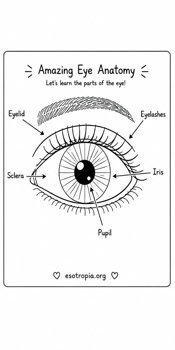
Esotropia is a form of strabismus (misaligned eyes) where one or both eyes turn inward toward the nose. It is one of the most common eye conditions in children, and it is treatable.

What causes it?

Esotropia can result from problems with the eye muscles, issues in the part of the brain that controls eye alignment, or farsightedness that pulls the eyes inward. In many cases, the exact cause isn't identifiable — it simply develops in early childhood.

Infantile vs. accommodative

Infantile esotropia appears before 6 months of age. Accommodative esotropia appears later (ages 2–4) and is often related to farsightedness. When the child focuses hard to see clearly, the eyes turn inward as a side effect. Both are treatable.

What about vision?

Many children with esotropia have good visual acuity — their eyesight itself is fine. The primary concerns are depth perception (the brain may suppress input from the turned eye) and the confidence impact of visible misalignment. Both are real and valid concerns.

Does it affect both eyes?

Esotropia can affect one eye (monocular) or alternate between both eyes (alternating, or bilateral). Aubrey had bilateral esotropia — both eyes turning inward. Each type has slightly different treatment considerations and prognosis.

When should I see a specialist?

If you notice your child's eyes crossing or turning at any age — even intermittently — see a pediatric ophthalmologist promptly. Early diagnosis dramatically improves outcomes. A regular optometrist can begin the referral, but a pediatric ophthalmologist should confirm and manage treatment.

What is the timeline?

Treatment timelines vary widely. Some children respond to glasses alone within months. Others — like Aubrey — progress through multiple treatment phases over several years before surgical correction. There is rarely a quick fix, and that is okay. Progress is progress.

Treatment options explained

Treatment depends on the type and severity of esotropia, the child's age, and whether amblyopia (lazy eye) is also present. Most children go through more than one phase of treatment.

Phase 1 — Often first

Prescription glasses

For accommodative esotropia, glasses correct the farsightedness that causes the eyes to cross when focusing. In some cases, glasses alone bring the eyes into alignment within weeks to months. This was Aubrey's first step.

Phase 2 — Building visual strength

Eye patching therapy

Patching covers the stronger eye for prescribed periods each day, forcing the weaker eye to work harder and build strength. It requires consistency and patience — and a lot of creativity to keep young children compliant.

Phase 3 — Complementary treatment

Vision therapy

Structured exercises train the brain and eyes to work together. This can help with binocular vision and depth perception alongside other treatments, often conducted by a behavioral optometrist.

Phase 4 — When other options aren't enough

Surgical correction

Eye muscle surgery adjusts the tension on the muscles that control eye movement, allowing the eyes to align properly. For bilateral esotropia, both eyes are typically operated on. Surgery has a high success rate and is performed under general anesthesia — usually outpatient, with recovery of a few days.

What to ask your doctor
  • What type of esotropia does my child have?
  • Is amblyopia present, and how does that change the approach?
  • What does success look like at each stage of treatment?
  • How likely is surgery, and at what point would you recommend it?
  • What should I watch for between appointments?
  • Will my child's vision be affected long-term?
A note for parents

Treatment takes time. Some days the patch comes off five minutes after you put it on. Some days your child cries through vision therapy. These are normal. Progress is rarely linear, and setbacks do not mean failure.

You are advocating for your child's future. That matters more than any single appointment.

FAQ for newly diagnosed families

These are the questions Aubrey's family had — and couldn't find clear answers to. Organized here, in plain language.

Will my child's eyes always cross, or is this fixable?+
For most children, esotropia is highly treatable. Many achieve full or near-full alignment through glasses, patching, and/or surgery. "Fixable" depends on the type and how early treatment begins — but the prognosis for children who receive timely, appropriate treatment is generally very positive. Aubrey's eyes are straight today.
Can my child see normally? Are they in pain?+
Esotropia itself is not typically painful. Children often adapt to misaligned vision without realizing anything is wrong — the brain suppresses input from the turning eye, which is why treatment is so important. Left untreated, the suppressed eye can develop amblyopia (reduced vision). This is why early treatment matters even when a child isn't complaining.
My child hates patching. Is it really necessary?+
Yes — if your doctor recommends it, patching is an important part of treatment when amblyopia is present. The goal is to force the weaker eye to work, building visual strength. Strategies that help: patching during screen time or engaging activities, fun decorated patches, sticker charts, and short frequent sessions instead of long ones. Talk to your doctor about the minimum effective dose for your child.
Should I see an optometrist or an ophthalmologist?+
Both play a role, but they are different. An optometrist can prescribe glasses and detect strabismus. A pediatric ophthalmologist (a medical doctor specializing in children's eye conditions) is needed for diagnosis, surgical evaluation, and management of complex cases. For esotropia, you want a pediatric ophthalmologist involved from the beginning.
Is eye muscle surgery safe for young children?+
Eye muscle surgery is one of the most common pediatric surgical procedures and is generally considered safe. It is performed under general anesthesia and typically takes 30–90 minutes. Most children go home the same day. Eyes will be red and may feel scratchy for a week or two. Choosing a fellowship-trained pediatric ophthalmologist with surgical experience matters.
Will my child need glasses forever?+
It depends on the underlying cause. If esotropia is accommodative (driven by farsightedness), glasses may be needed long-term even after surgery. As children grow, their prescriptions may change and some outgrow farsightedness. Your ophthalmologist will monitor this over time. Surgery corrects the muscle alignment; glasses correct the optics. Both may be part of a long-term plan.
How will this affect my child socially and emotionally?+
This is a real concern: some children experience social challenges, teasing, or self-consciousness around their eye appearance. Acknowledge your child's feelings about how their eyes look. Normalize the treatment process. And know that many children who go through this grow up with a depth of empathy and resilience that shapes who they become. That includes Aubrey.

How to find a pediatric ophthalmologist

Not all eye doctors are the same. Here is how to find a physician with the right training for your child's condition.

01

Start with your pediatrician

Ask for a referral to a pediatric ophthalmologist specifically — not a general ophthalmologist. Your pediatrician can often connect you with specialists in your area who accept your insurance.

02

Search the AAPOS directory

The American Association for Pediatric Ophthalmology and Strabismus (AAPOS) maintains a searchable directory of board-certified specialists at aapos.org. Filter by state and specialty.

03

Ask about surgical experience

If surgery is on the table, ask how many eye muscle surgeries the physician has performed and how they define success. An experienced surgeon will answer this directly and confidently.

Questions to ask at your first appointment
  • Are you fellowship-trained in pediatric ophthalmology?
  • How many cases of esotropia do you treat each year?
  • What is your success rate for bilateral esotropia surgery?
  • Do you coordinate with vision therapists when appropriate?
Helpful resources
The story behind this site

From patient to future physician

When Aubrey was five years old, her parents noticed her eyes beginning to turn inward — bilateral esotropia. What followed were years of eye patches, optometrist visits, specialist appointments, and ultimately surgery that corrected her alignment.

She is a junior in high school now. And she wants to be a pediatric ophthalmologist.

This site began as a project — a resource she wished her family had when she was little. It became something more: a purpose. The experience of being a patient shaped who she wants to be as a physician. She understands what it is like to sit in that waiting room. She knows what the diagnosis feels like from the other side of the desk.

"I promise to give the gift that was given to me. Yes, improved vision—but also a renewed confidence in how the world sees you and how you see yourself."

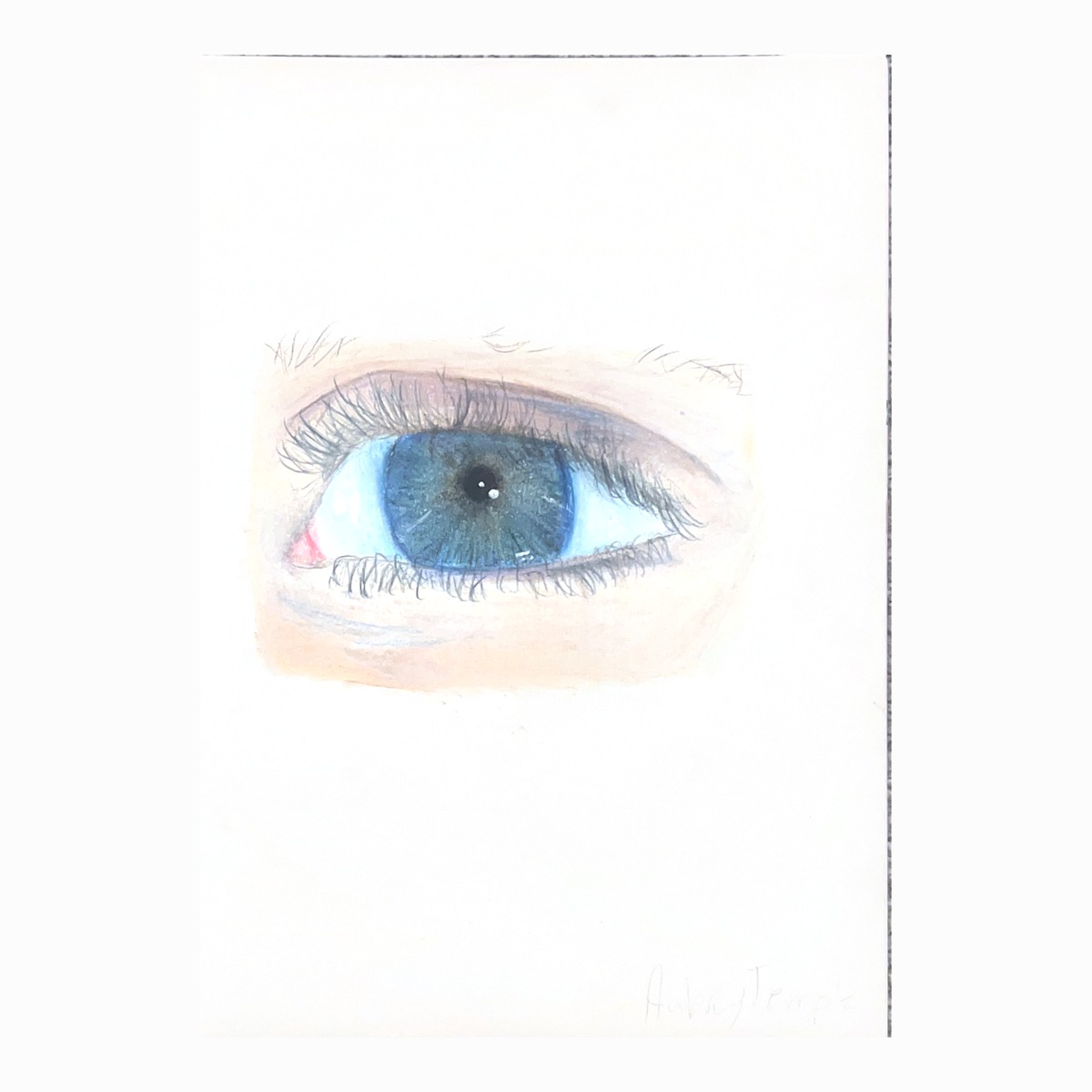
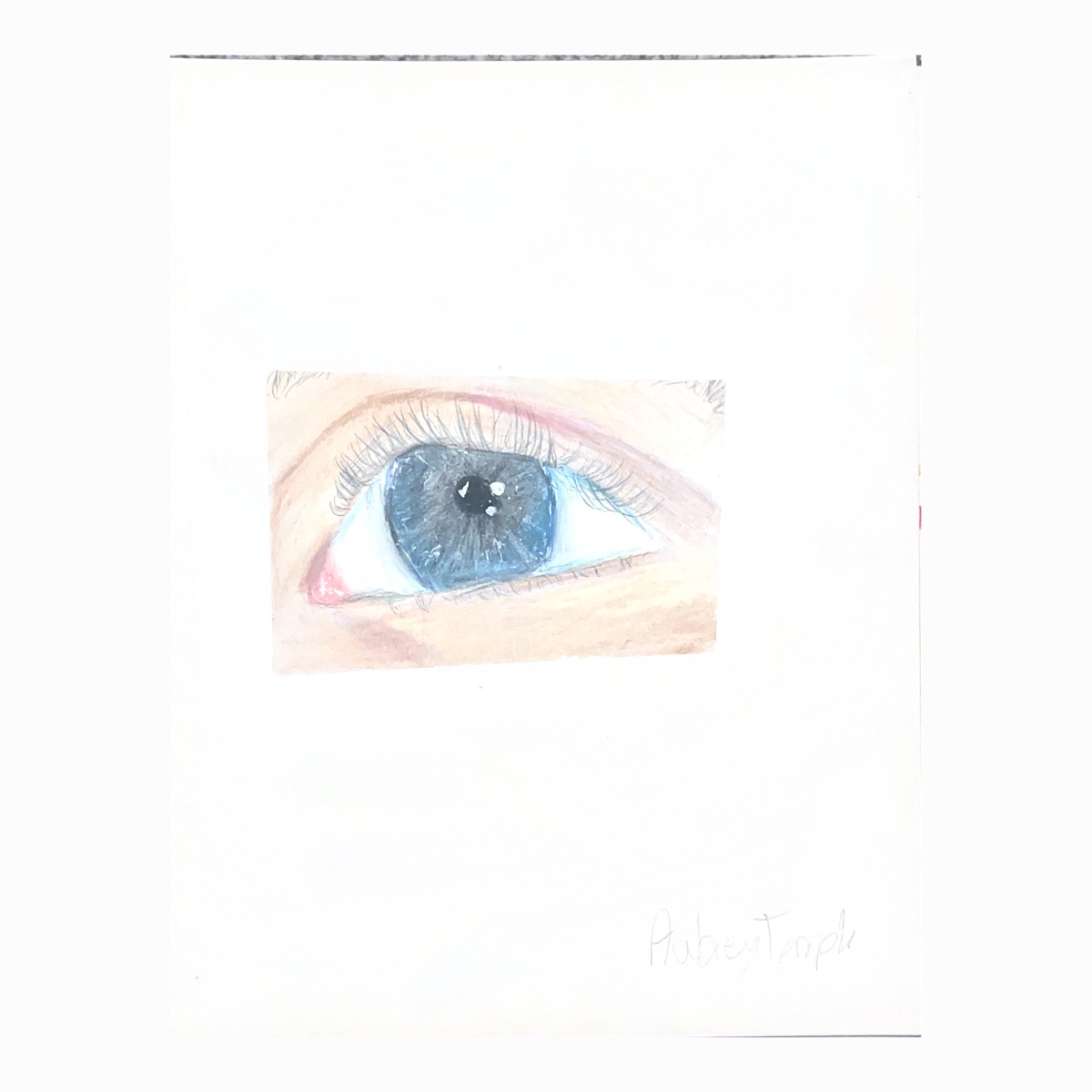
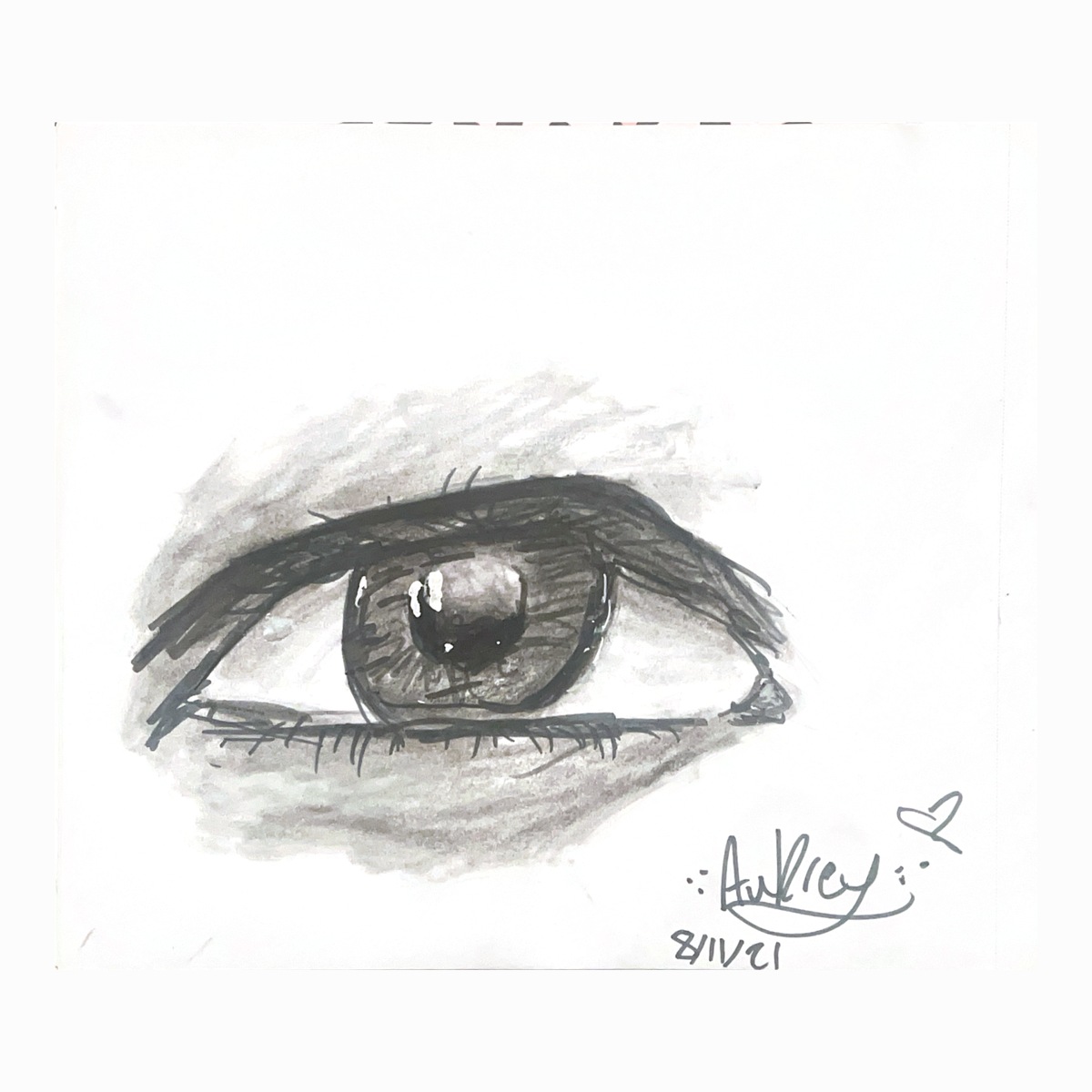
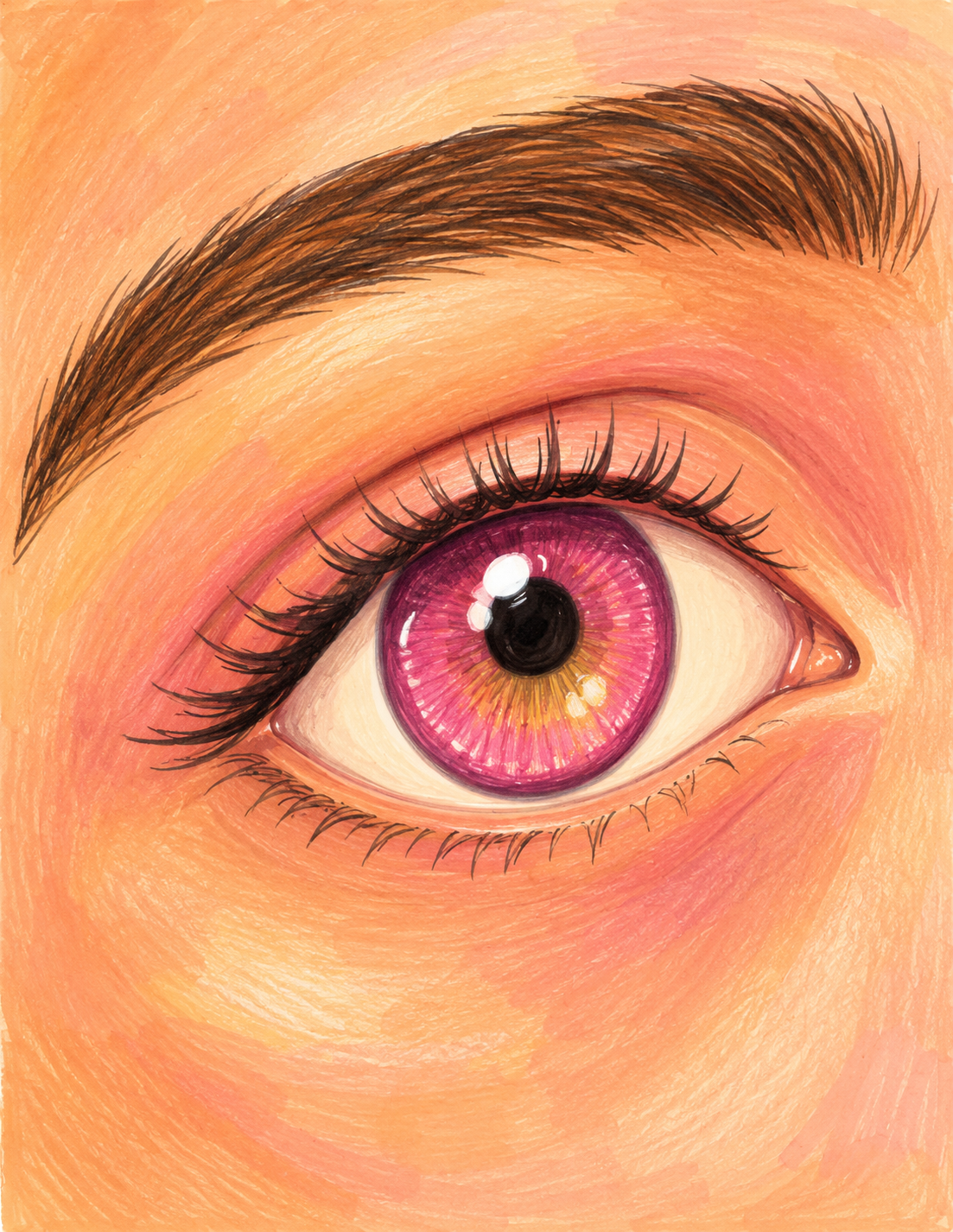
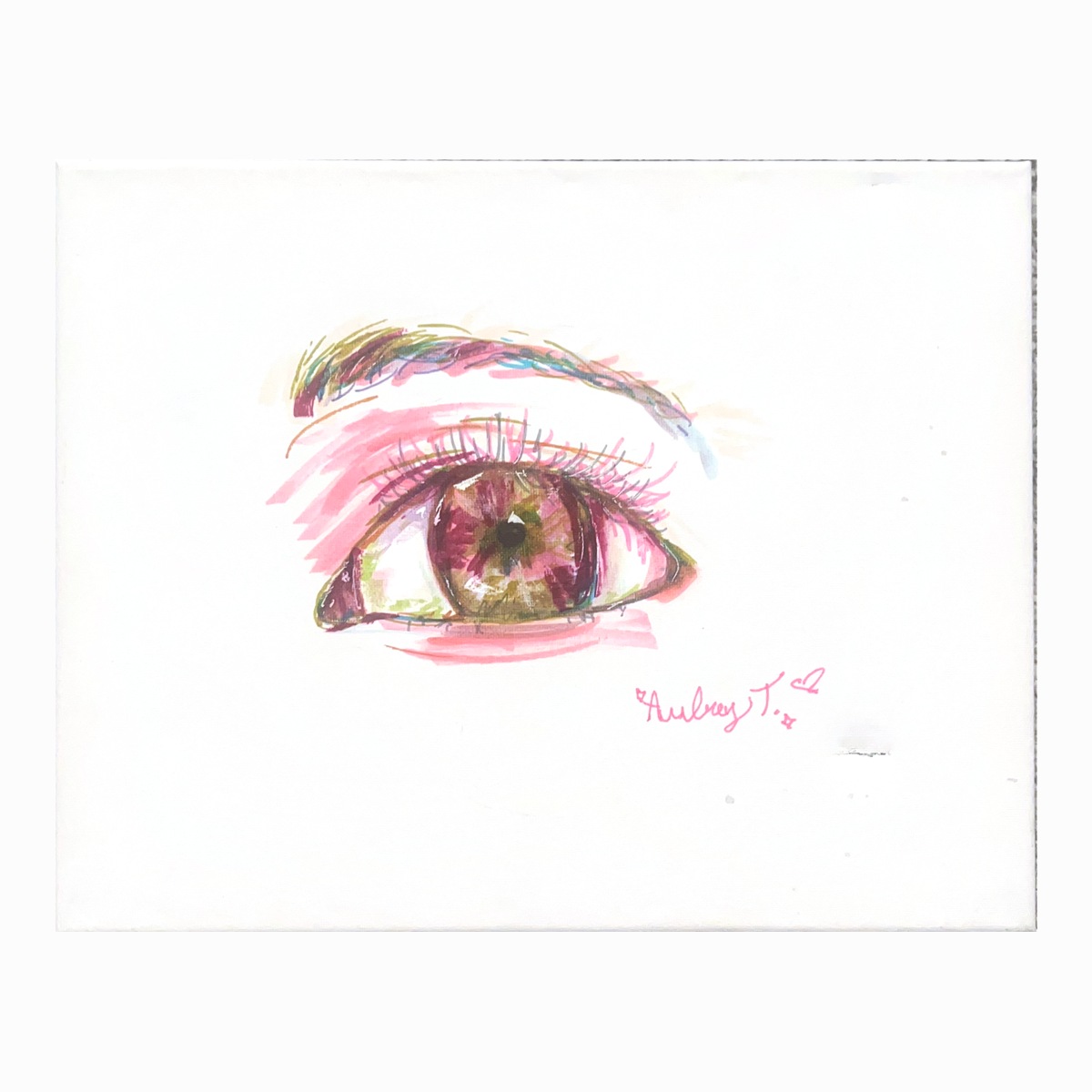
Aubrey's childhood artwork
coming soon
Eye drawings, age 5–6
coming soon
More artwork — scan originals to add here

Artwork placeholders are ready for Aubrey's scanned original drawings. Replace the placeholder divs above with img tags pointing to your scanned files.

Our story as parents

Every family's journey is different. This is ours — shared in the hope that it helps someone else feel less alone in theirs.

"
The hardest part wasn't the diagnosis. It was the not knowing — what the treatment would be, how long it would take, whether her eyes would ever look the way we hoped. We spent a lot of nights searching the internet for answers that weren't really there.

We found doctors who were patient with our questions, and treatments that required patience from all of us — especially Aubrey. And slowly, it worked. This site is the resource we would have wanted at the beginning of that journey.
— Aubrey's parents

A fuller version of our family's story is coming. We are working on a longer piece that covers the timeline of Aubrey's treatment from first diagnosis through surgery, including what we wish we had known at each stage.

Coloring pages — printable PDFs

Eye patches are more fun when you get to pick which one. These coloring pages are designed for kids going through treatment — something to look forward to, not just endure.

The friendly eye

Simple lines, easy for little hands

Download PDF

Both eyes, together

A bilateral esotropia themed page

Download PDF

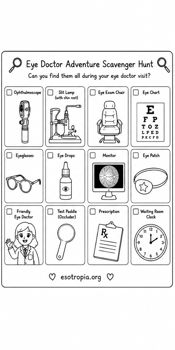
Eye doctor adventure

For the day of an appointment

Download PDF